
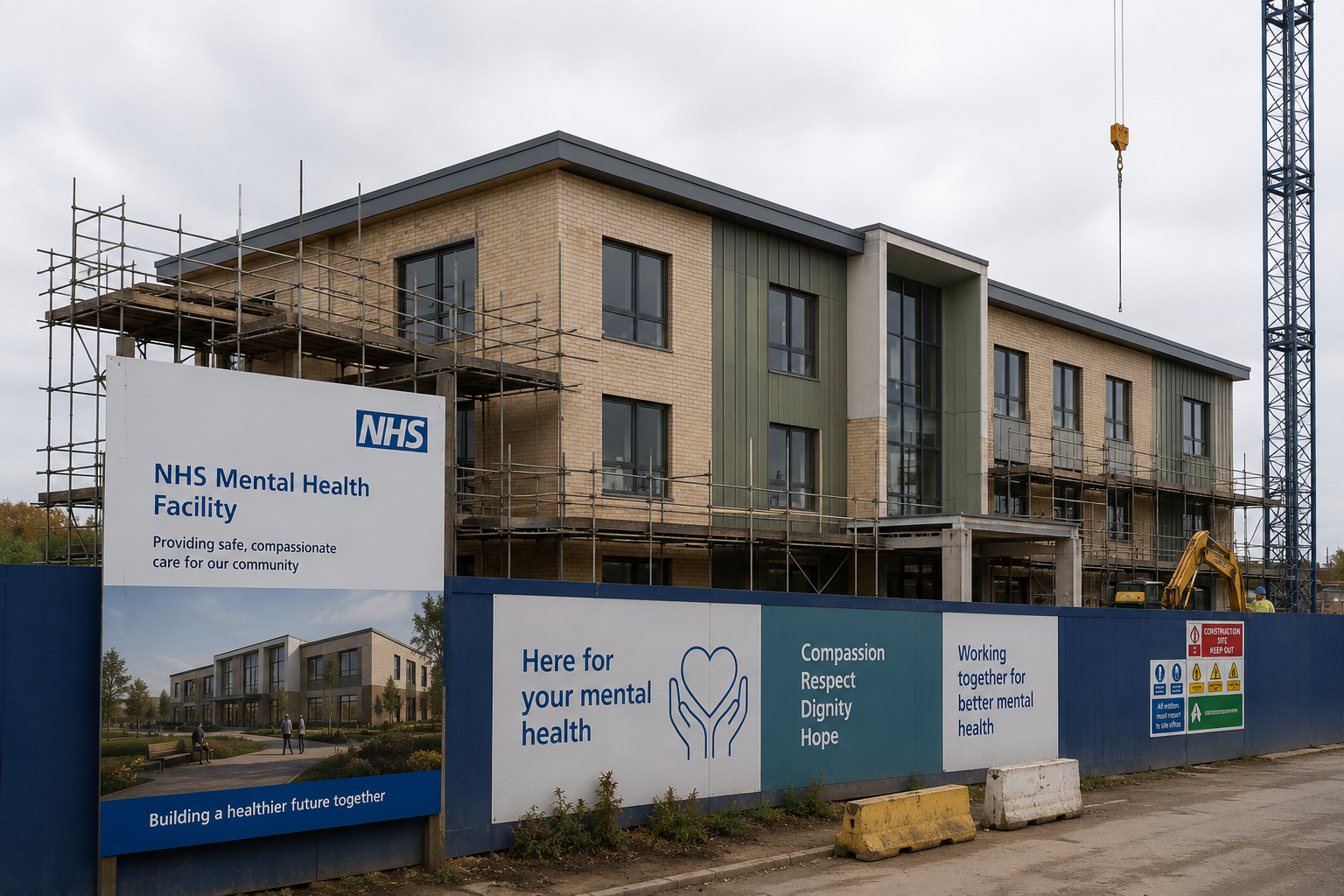
A non-residential Bedroom Wing
VAT tribunal case summary: NHS AYRSHIRE AND ARRAN HEALTH BOARD v THE COMMISSIONERS FOR HIS MAJESTY’S REVENUE AND CUSTOMS [2026] UKUT 00258 (TCC)
9 Jul 2026
This case concerned whether a Bedroom Wing, which was part of a national facility to provide secure mental health treatment for up to twelve young persons aged between 12-18, could be constructed at the zero-rate of VAT.
The Bedroom Wing contains twelve bedrooms with en-suite bathrooms, two social areas/lounges, an external courtyard and a number of ancillary rooms (such as bathrooms and storage); with a corridor linking them together. Outside of the Bedroom Wing, there were other areas including treatment/clinical areas, dining areas and shared areas.
The staff that work in the Bedroom Wing are qualified mental health nurses, and whilst most treatment will take place in the treatment areas, the care is delivered throughout the complex including in the Bedroom Wing.
Most patients will stay at the unit for more than 18 months. Importantly, the patients do not eat in the Bedroom Wing; they will take meals in the dining areas elsewhere in the complex. In additional, visiting family members will not usually take place in the Bedroom Wing, and strict controls are enforced to access the lounges and courtyards.
First Tier Tribunal (FTT) ruling
The FTT previously ruled that the building work did not qualify for the zero-rate of VAT because the Bedroom Wing is a ‘hospital or similar institution’ and is used as such as part of the complex; and was not intended for use solely for relevant residential purposes.
The Upper Tribunal (UT) ruling
The UT have agreed and found no material error of law in the FTT.
Help me to understand the key takeaways from this decision:
1. Timing, and the right expertise is important: An appellant cannot raise a point on appeal that was not raised before the FTT, unless there is a point of law that doesn’t involve further evidence. It’s not a “second bite of the cherry to pursue arguments that could have been, but were not, put before the FTT”. Permission to raise a new point will not be granted lightly. NHS Ayrshire was refused an application to do so.
2. Sole residence doesn’t equal automatic zero-rating: The Bedroom Wing was the sole residence for many of the patients. This does not automatically mean is used for ‘relevant residential purpose’ – there is nothing in statute to suggest it ought to be interpreted in that way, and the UT says “a holistic assessment of the evidence is required”.
3. The layout, set-up and day-to-day use matters: Some aspects of the patients daily living, for example eating and meeting visitors, take place outside of the Bedroom Wing, within the complex (which itself was a “hospital…or similar institution”. Additionally, in this case it’s not possible to separate the treatment that is received in the Bedroom Wing from treatment in other areas, it’s part of an integrated course of treatment.
4. Primary purpose matters too: In other cases, such as Pennine NHS [Pennine Care NHS Trust v HMRC [2016] UKFTT 222 (TC) ] and Fenwood [Fenwood Developments Ltd v HMRC [2005] EWHC 2954 (Ch)], the primary purposes was to provide care (not treatment). In this case, the individuals are detained to receive medical treatment, and that is the primary purpose.
Understanding the VAT position at an early stage of construction is helpful. If you’re constructing a building where part or all of it is neither wholly residential in nature, nor a hospital, you should seek advice as early as possible.
Book a meeting or contact us below for a free, no obligation discussion.